


Description
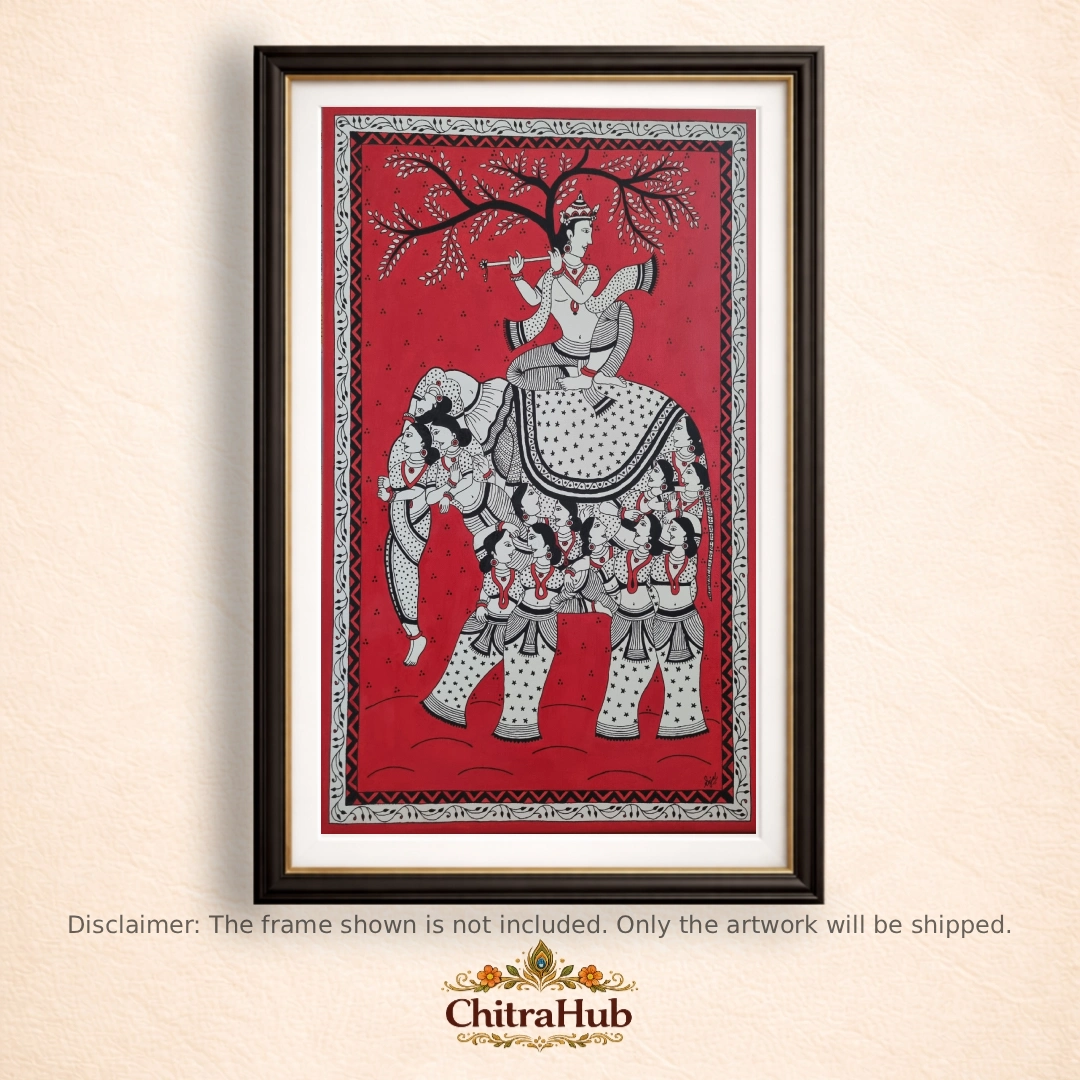
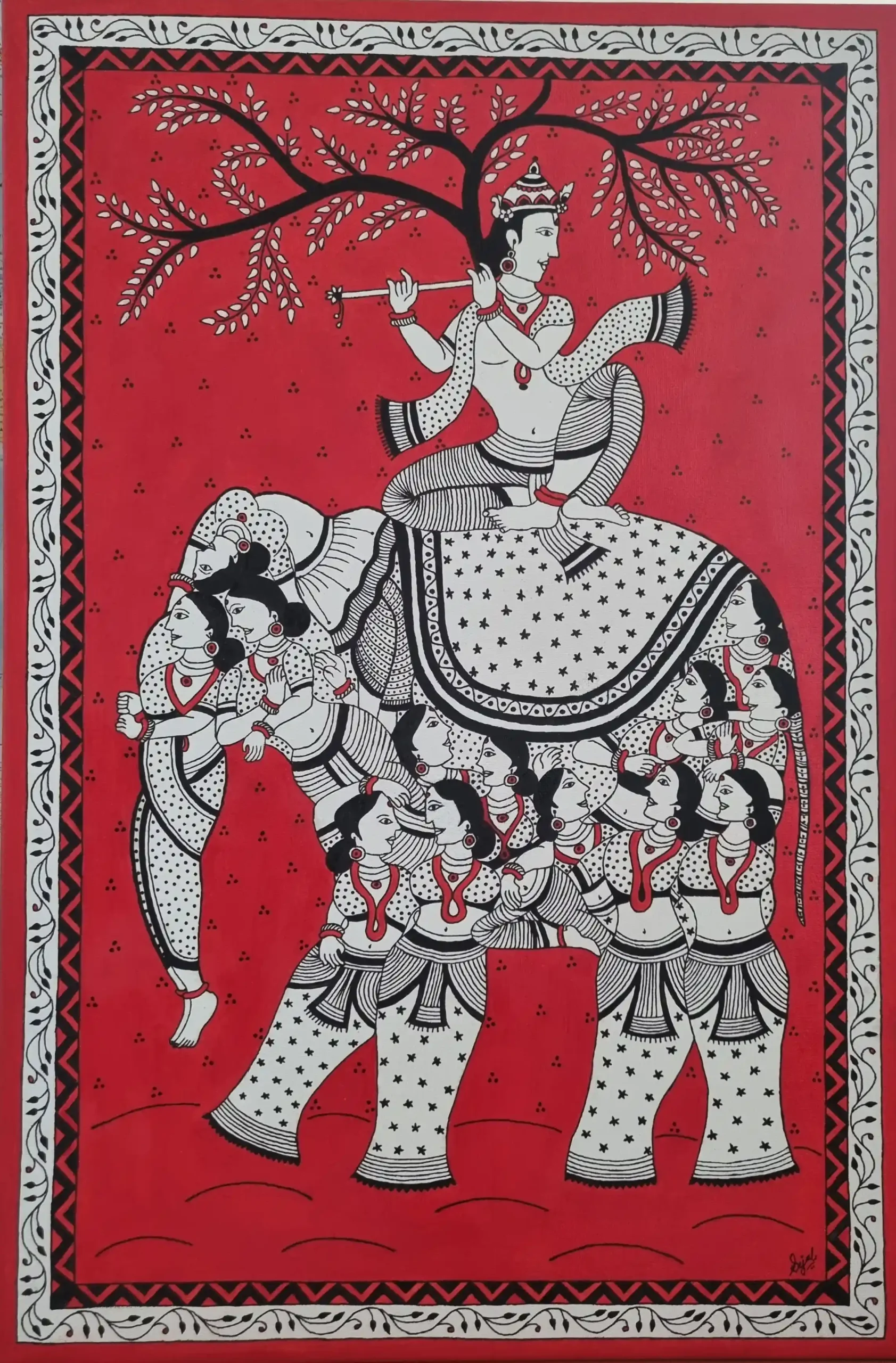
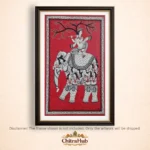
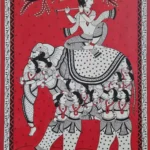
Nari Kunjar, meaning “an elephant made of women,” is one of the fascinating and complex motifs found in Indian art traditions. The word Nari refers to a woman, while Kunjar is a Sanskrit term for elephant. This remarkable composition transforms multiple female figures into the unified form of an elephant through their intertwined and carefully arranged bodies.
In this artwork, the women are depicted as Gopis, representing devotees whose bodies come together to create the form of Lord Krishna’s sacred elephant vehicle. Their interconnected forms symbolize their profound devotion and love for Krishna, while also expressing the ideas of unity, sisterhood, collective strength, and control over the senses.
The unusual composition carries layers of spiritual and philosophical meaning found across Indian artistic traditions. The transformation of individual figures into one powerful form suggests that collective devotion and unity can create something greater than the individual.
This artwork presents the distinctive composition and placement associated with Pattachitra folk art of Odisha, incorporating the detailed storytelling, ornamental treatment, and structured visual language characteristic of the tradition. The intricate figures and decorative patterns invite the viewer to explore the artwork closely and discover how individual human forms merge seamlessly into the larger elephant silhouette.
Created in acrylic on stretched canvas, this contemporary interpretation preserves the symbolic essence of the Nari Kunjar motif while presenting it through a durable modern medium. It is a compelling work for collectors interested in Indian mythology, traditional folk art, symbolism, and Odisha’s rich artistic heritage.

Reviews
There are no reviews yet.