
Kalamkari Art – The Hand-Painted Heritage of South India
Introduction to Kalamkari Art
Kalamkari is a traditional Indian art form known for its intricate hand-painted or block-printed designs created using natural dyes. The word “Kalamkari” comes from two Persian words:
Kalam – meaning pen
Kari – meaning craftsmanship
Together, Kalamkari means “pen craftsmanship.”
Originating primarily from Andhra Pradesh and Telangana, Kalamkari art is celebrated for its mythological storytelling, detailed floral patterns, and rich earthy color palette. It is one of India’s most disciplined and time-intensive textile painting traditions.
Historical & Cultural Background
Kalamkari art dates back over 2,000 years and flourished under the patronage of temple traditions and royal courts.
There are two major styles of Kalamkari:
Srikalahasti Style (Hand-Painted)
Entirely drawn using a pen (kalam).
Freehand storytelling style.
Primarily depicts scenes from Hindu epics such as:
Ramayana
Mahabharata
Bhagavata Purana
Machilipatnam Style (Block-Printed)
Uses carved wooden blocks for printing.
Focuses more on decorative motifs.
Includes Persian and Mughal influences.
Both styles rely heavily on natural dyes and traditional techniques.
Unique Features of Kalamkari Art
Kalamkari is admired for its distinct artistic qualities:
Natural Dye Process
Colors are derived from:
Indigo (blue)
Madder root (red)
Pomegranate peels (yellow)
Iron rust solution (black)
The dyeing process involves multiple washing and drying stages, making it highly labor-intensive.
Detailed Line Work
The hand-drawn outlines are precise and expressive, creating strong visual storytelling.
Floral & Mythological Motifs
Common themes include:
Lord Krishna
Goddess Durga
Temple narratives
Peacocks and floral vines
Sacred symbols
Fabric-Based Tradition
Unlike many other folk paintings, Kalamkari is traditionally done on cloth, making it both decorative and functional.
The Artistic Process
Creating a traditional Kalamkari artwork involves multiple steps:
Treating the fabric with natural substances
Sketching the design with a bamboo pen
Applying natural dyes in stages
Repeated washing and sun-drying
Final detailing and finishing
The process may take several days or even weeks depending on complexity.
This discipline reflects patience, skill, and artistic heritage.
Symbolism & Themes
Kalamkari paintings often narrate divine stories and spiritual themes. Some common depictions include:
Krishna Leela (stories of Lord Krishna)
Scenes from Ramayana
Goddess worship imagery
Tree of Life motifs
Temple procession scenes
Each piece reflects devotion, tradition, and narrative depth.
Why Buy Kalamkari Art?
Kalamkari artworks are:
Handcrafted using traditional methods
Made with eco-friendly natural dyes
Rich in mythological storytelling
Perfect for spiritual and cultural décor
Unique pieces of textile art heritage
Owning Kalamkari art means supporting an ancient craft and preserving sustainable artistic practices.
Kalamkari in Modern Spaces
Today, Kalamkari art is widely used in:
Wall décor panels
Framed fabric art
Home interiors
Cultural and heritage collections
Contemporary décor themes
Its earthy tones and intricate storytelling make it ideal for both traditional and modern homes.
Supporting Traditional Kalamkari Artists
ChitraHub is committed to promoting authentic Kalamkari artists and preserving this textile art tradition. Every artwork listed under this category is carefully reviewed to ensure originality and craftsmanship.
By purchasing from this collection, you directly support traditional artisans and help sustain one of India’s most detailed hand-painted art forms.
Explore Kalamkari Collection
Browse our curated collection of authentic Kalamkari artworks below.
Each piece reflects tradition, devotion, and handcrafted excellence.
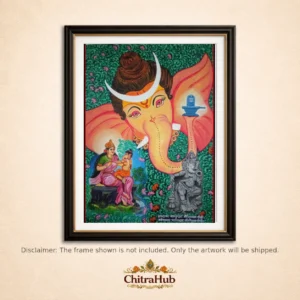
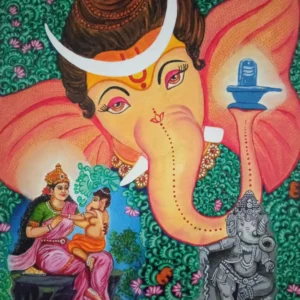
₹28,000.00 Original price was: ₹28,000.00.₹24,999.00Current price is: ₹24,999.00.